If you’re looking for a natural and effective way to enhance your oral care routine, essential oil mouthwash might be just what you need. Made with potent plant-based oils like peppermint, tea tree, and others, DIY essential oils mouthwash offers an alternative to commercial products laden with synthetic chemicals and artificial flavors. Plus, crafting your own mouthwash is surprisingly simple and allows you to customize it to your unique preferences.
In this guide, we’ll explore the benefits of using essential oils for mouthwash, highlight the best oils to include, and show you how to make your own refreshing, natural rinse at home.
Why Choose Essential Oils for Mouthwash?
Traditional mouthwashes often contain alcohol and artificial ingredients that can leave your mouth feeling dry or irritated. Switching to an essential oils mouthwash provides a natural solution that’s gentle yet effective. Essential oils offer a variety of oral health benefits, including:
- Fighting bacteria: Many essential oils, such as tea tree and clove, have natural antimicrobial properties that help reduce harmful bacteria in the mouth.
- Soothing inflammation: Oils like chamomile and lavender can help calm inflamed gums and promote healing.
- Refreshing breath: Peppermint and spearmint essential oils leave your mouth feeling clean and your breath smelling fresh.
- Supporting gum health: Certain oils, like eucalyptus, can strengthen gums and reduce the risk of gum disease.
By incorporating essential oils into your oral care routine, you’re choosing a natural path to improved oral hygiene and overall wellness.
Top Essential Oils for Mouthwash
Here are some of the best essential oils to include in your DIY essential oils mouthwash and the benefits they bring to your oral care routine:
-
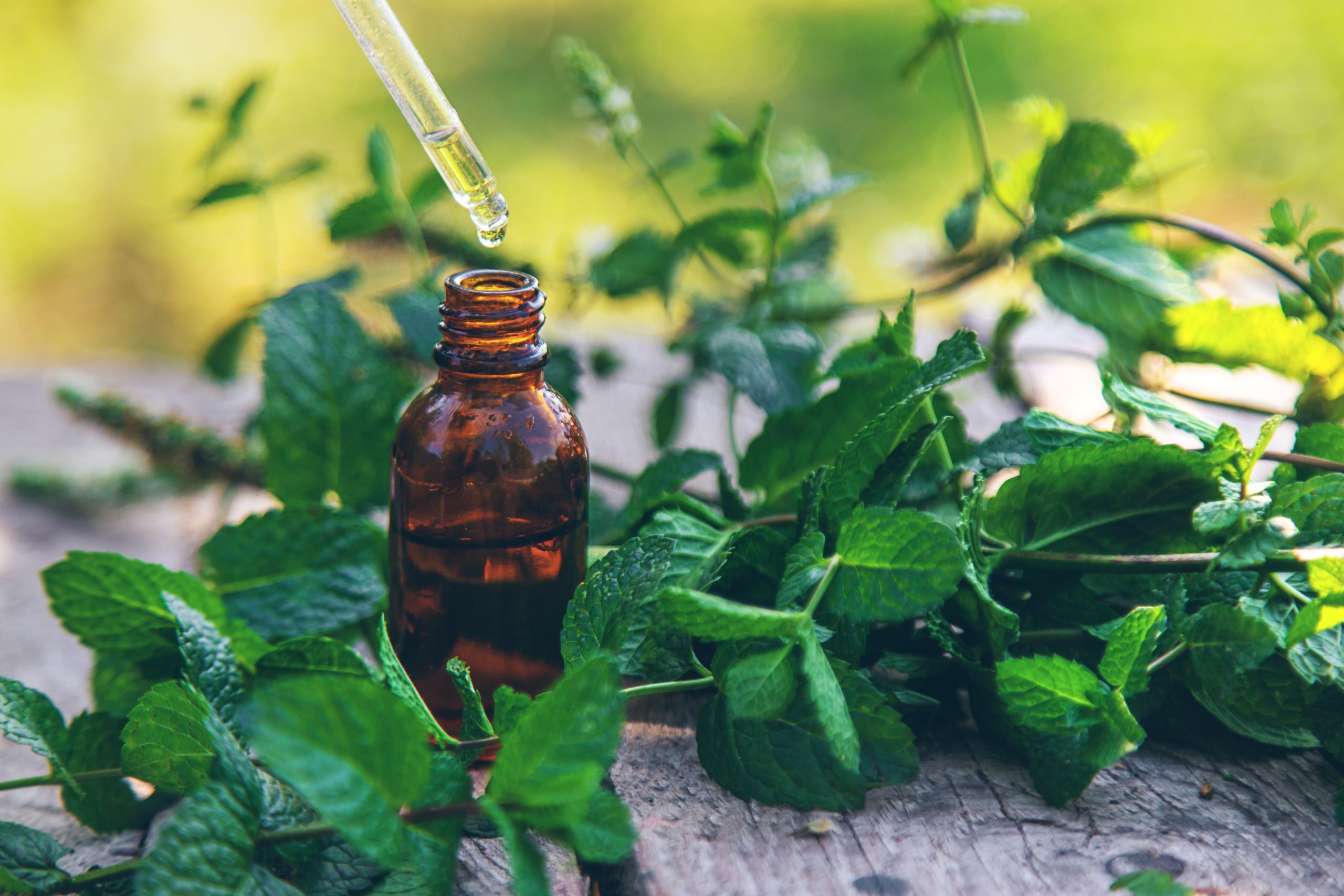
Peppermint Essential Oil
Known for its cooling and refreshing properties, peppermint essential oil is a staple in many oral care products. It helps to freshen breath, combat bacteria, and provide a clean, invigorating feeling.
-
Tea Tree Essential Oil
Tea tree oil is a powerful antimicrobial and antifungal oil, making it ideal for fighting bacteria and preventing plaque buildup. It’s especially helpful for maintaining a balanced oral microbiome.
-
Clove Essential Oil
Clove oil is renowned for its natural numbing properties and has been traditionally used for toothaches. Its antibacterial and antifungal properties also make it a valuable addition to any mouthwash.
-
Spearmint Essential Oil
For those who prefer a milder minty flavor, spearmint essential oil is a great alternative to peppermint. It’s gentle on sensitive mouths while still offering breath-freshening and bacteria-fighting benefits.
-
Eucalyptus Essential Oil
Eucalyptus oil supports gum health by reducing inflammation and promoting circulation. It’s also highly effective at combating bacteria that cause bad breath.
-
Cinnamon Essential Oil
Cinnamon oil not only adds a warm and spicy flavor to your mouthwash but also boasts antimicrobial properties that help keep your mouth healthy.
How to Make Your DIY Essential Oil Mouthwash
Making your own essential oil mouthwash is quick, easy, and customizable. Follow this simple recipe to create a natural mouthwash that suits your preferences:
Ingredients:
- 1 cup of distilled or filtered water
- 1 teaspoon of baking soda (optional, for neutralizing acids)
- 5–10 drops of your chosen essential oil(s) (e.g., peppermint, tea tree, or clove)
- 1 teaspoon of liquid coconut oil or fractionated coconut oil (optional, for oil pulling benefits)
Instructions:
- Combine the water and baking soda in a clean, reusable glass jar or bottle.
- Add the essential oils of your choice. Start with fewer drops and adjust to your taste preference.
- Add the coconut oil if desired, and shake well to combine.
- Store the mouthwash in a cool, dark place, and shake before each use.
- To use, swish about a tablespoon of the mouthwash in your mouth for 30–60 seconds, then spit it out.
This customizable recipe allows you to mix and match essential oils to create a mouthwash that meets your specific needs, whether it’s freshening breath, soothing gums, or fighting bacteria.
Precautions When Using Essential Oils for Mouthwash
While essential oils are natural, they’re also highly concentrated and need to be used carefully:
- Always dilute essential oils in water or a carrier oil before use.
- Avoid swallowing the mouthwash. Essential oils are potent and should not be ingested in large amounts.
- Conduct a patch test before using a new oil to check for allergies or sensitivities.
If you have specific oral health concerns, consider consulting a dental professional before incorporating essential oils into your routine.
The Connection Between Oral and Overall Wellness
Oral health is closely linked to overall wellness. Maintaining a clean and balanced mouth can have far-reaching effects, from reducing inflammation in the body to supporting heart health. Tools like ZYTO’s biocommunication scans can help practitioners identify areas where the body might benefit from targeted wellness approaches, including oral care.
Learn more about how ZYTO technology supports personalized wellness recommendations by exploring the ZYTO Evaluation.
Start Fresh with Essential Oil Mouthwash
Incorporating a DIY essential oils mouthwash into your oral care routine is an easy and effective way to prioritize natural wellness. With ingredients like peppermint, tea tree, and clove essential oils, you can enjoy fresh breath, healthier gums, and an overall boost in your oral hygiene.
Take control of your wellness by exploring the benefits of essential oils today. Your smile—and your body—will thank you!
About ZYTO Marketing Team
The ZYTO Marketing Team is dedicated to creating engaging, informative content with expertise in wellness technology, digital marketing, and health research. With a focus on delivering high-quality resources, articles, and tools, the team combines experience in content creation, holistic wellness, and business communications to support the ZYTO community. From in-depth blog articles to educational resources, the Marketing Team is committed to empowering users with the knowledge they need to thrive.
Sources:
- National Center for Complementary and Integrative Health (NCCIH). “Peppermint Oil.” Retrieved from https://www.nccih.nih.gov
- American Dental Association (ADA). “Mouthwash: What Does It Do?” Retrieved from https://www.ada.org
- Gupta, A., & Dahiya, P. (2018). “Essential Oils and Their Role in Oral Health Care: A Review.” The National Library of Medicine. Retrieved from https://pubmed.ncbi.nlm.nih.gov
- WebMD. “Tea Tree Oil Benefits and Uses.” Retrieved from https://www.webmd.com
- Cochrane Oral Health Group. “The Effectiveness of Essential Oils in Treating Oral Conditions.” Retrieved from https://www.cochrane.org
- Journal of Clinical and Diagnostic Research (JCDR). (2016). “The Role of Clove Oil in Dentistry.” Retrieved from https://www.jcdr.net
- MedlinePlus. “Eucalyptus Oil.” Retrieved from https://medlineplus.gov
- Essential Oil Safety for Oral Use. Natural Medicine Journal. Retrieved from https://www.naturalmedicinejournal.com