According to the American Academy of Stress, over 70% of Americans report that dealing with stress affects their physical or mental health.1
While there are some types of stress we can learn to avoid and manage, some forms of stress are inevitable. Ultimately, how we respond to daily stressors can impact our overall well-being. Increasing our tolerance for stress can help combat anything that life throws our way.
What is stress tolerance?
Stress tolerance is the ability to withstand stressful situations without becoming overly emotional or overwhelmed. It’s a skill that can be developed over time, and there are many ways to go about it.2 Developing a higher stress tolerance can help you push through difficult times and give you the confidence to tackle anything.
Why increasing stress tolerance is important
The effects of chronic stress are far-reaching in affecting an individual’s quality of life. According to a review study, stress can affect mental health, cognitive capacity and memory, immunity, cardiovascular (heart) health, and gut health. Ultimately, stress can touch every physical and mental function of the body.3
There are a variety of situations where stress tolerance can be beneficial in helping you stay on an even keel. These include the following:
- Job-related pressure
- Financial concerns
- Personal relationships and family dynamics
- Moving to a new home or city
- Working towards important goals
- Managing daily stressors like traffic, waiting in lines, etc.
- Other stresses related to parental duties, collegiate studies, etc.
How to increase your stress tolerance
When finding the best ways to increase stress tolerance, it’s important to find a strategy that works for you.4
Here are 8 ways to help build your stress tolerance and live your best life:
-
Build self-awareness

In order to tackle the stressors in your life and how you react to them, you first need to know what they are and how they make you feel. Track your reactions to events or circumstances that trigger a stress response in order to identify patterns and learn from them. You can do so with daily reflection via discussion, journaling, meditation, or any other methods that help you gain clarity on daily occurrences.
Understanding how you handle stress and what is causing it can help inform decision-making and problem-solving in the future. You might find certain parts of life are disorganized and require extra attention to reduce the stress load. Without this important first step, the rest of the tips below won’t be as effective.
-
Take time to pause
We often want to act immediately when faced with a stressful situation, which can worsen the situation. Taking a few moments to pause and focus on your breath can help you collect yourself, assess the situation calmly, and decide what to do next with a clear mind.
Deep breathing is a great way to take a moment, ground yourself in the present, and connect with your body. Not only can it help you feel calmer, but it can also reduce your physical stress response symptoms, such as an increased heart rate or sweating.
As you practice pausing instead of overreacting, you will notice it gets easier when you find yourself in future stressful situations.
-
Make a plan
Don’t be too hard on yourself when you react negatively to a situation. It’s a perfect time to reflect, learn, and plan better for the next time. You can devise a plan in advance for potentially stressful situations.
Determine what kind of plan works best for you, and don’t be afraid to tweak it as needed. For example, you can create a list of positive mantras, practice deep breathing before or during the situation, or learn to avoid certain situations altogether (if plausible).
-
Get moving
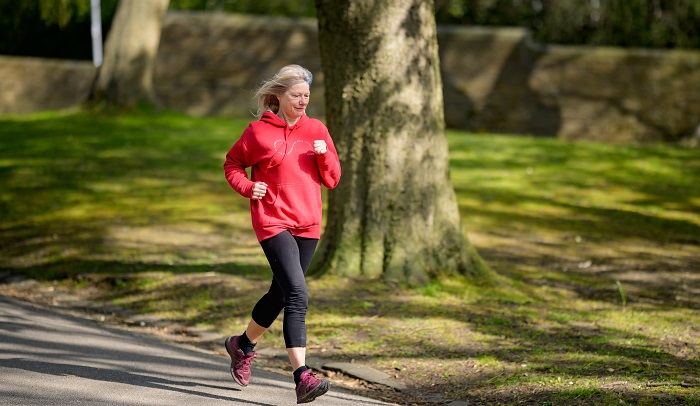
Physical activity is a great way to release stress and tension.5 Exercise can help you manage cortisol levels, improve mental health, and boost energy levels. Exercise also has the benefit of releasing endorphins, which can help you feel uplifted and more positive.
Exercise doesn’t have to take up a lot of time. Even just a few minutes of daily physical activity can help clear your mind and reduce stress. Overall, getting your blood pumping will help you release pent-up stress hormones while also helping you feel more level-headed in future stressful situations.
-
Nurture your physical health
In addition to exercise, other habits related to your physical health can play an important role in managing stress.6 Eating a nutrient-dense diet, getting sufficient sleep, and drinking enough water are all essential for effectively managing stress and enhancing overall stress tolerance.
These habits can help regulate stress-related hormones and provide the body with enough fuel to manage the demands of daily life. At a cellular level, providing the right vitamins and minerals the body needs to function optimally, such as vitamin D, reduces oxidative stress.7 This is a great way to address the root cause of stress rather than just managing its symptoms.
-
Ask for help
Don’t be afraid to ask for help if you struggle with stress. Talk to a friend, family member, counselor, or therapist about what’s happening. In addition, if certain areas of your life cause stress that you could delegate, this can help too. For example, consider hiring a housemaid if cleaning the house is stressful.
Having someone to talk to can be immensely helpful in processing and dealing with tough situations. This can help build your awareness and future tolerance for stress. Furthermore, they can provide helpful advice or resources that can help you tackle the issue more effectively.
-
Learn to say no

While being able to face stress with better tolerance is great, so is learning your limits to prevent some of it in the first place. Understanding when to step back and say “no” is important in managing stress and having more tolerance for the times you can’t avoid it.
Ensure that you aren’t participating or saying yes to things simply because you feel obligated or guilty. That might work in the short term but can lead to unnecessary long-term stress.
-
Stay positive
Lastly, keeping a positive mindset when facing stressful situations is important. While it might not change the situation’s outcome, your outlook on it can. Keeping positive can help you stay focused and productive and not let the situation consume your life.
Of course, this is easier said than done and will require a mindset shift. You can start doing this by reframing your thoughts on the situation. For example, instead of thinking, “I can’t handle this,” try to think, “I can handle this, and I have the resources to do it effectively.” If you’re struggling with this, practice writing down a mantra (like the one above) or journaling.
In addition to positive reinforcement through mantras, the ZYTO EVOX is a powerful tool for reframing any thought patterns that are preventing you from dealing with stress in a positive way. This technology addresses your subconscious perceptions, which can lead to longer-lasting positive changes.
Start increasing your stress tolerance today
You may have noticed two primary themes for the tips above: reduce unnecessary stress and change your reaction to stressful situations. With all the tips listed above, it can feel overwhelming to know where to start—which can unintentionally cause more stress. Here’s how to get started:
- Make small changes that make sense for your life, one step at a time. Instead of trying to change everything immediately, start with one habit and focus on it for a few weeks before moving on to the next one.
- Pick the tips from above that resonate with you most, and work on those first.
- Keep working on yourself; we all have good and bad days so reactivity will ebb and flow. That doesn’t mean you should give up in a moment of high stress—keep going and remind yourself that progress is slow but steady.
- Finally, remember to be kind to yourself. After all, being more accepting of your decisions and actions is the whole point of building stress tolerance.
Stress tolerance can change your perception of the world
In the end, building stress tolerance is about developing a better relationship with yourself, accepting that situations can be stressful, and recognizing when you need to take a step back. With time and dedication, you can learn to be more accepting of situations that are out of your control and be better equipped to deal with them in a healthier way.
Giving yourself the skills to better manage and respond to stress can also help you live a more meaningful and content life, free from the persistent burden of stress. So don’t be afraid to take the first step towards building your stress tolerance and see what doors it can open for you.
 About JayDee Vykoukal
JayDee Vykoukal is a writer, blogger, Doctor of Physical Therapy, travel enthusiast, and mom of two girls. She is passionate about helping others live their best life via a healthy lifestyle.
Sources:
1. “What is Stress?” The American Institute of Stress. Stress.org.
2. Welle, P.D, & H.M. Graf. “Effective Lifestyle Habits and Coping Strategies for Stress Tolerance among College Students.” American Journal of Health Education 42, no. 2 (2011): 96-105.
3. Yaribeygi, H., Panahi, Y., et al. “The impact of stress on body function: A review.” Experimental and Clinical Sciences 16 (2017): 1057-1072.
4. “Stress Tolerance.” Waterloo Student Success Office. Uwaterloo.ca.
5. Bland, H.W., B.F. Melton, et al. “Quantifying the Impact of Physical Activity on Stress Tolerance in College Students.” College Student Journal 48, no. 4 (2014): 559-568.
6. Graber, Eric. “Nutrition and Stress: A Two-way Street.” American Society of Nutrition. Nutrition.org.
7. Wimalawansa, Sunil J. “Vitamin D Deficiency: Effects on Oxidative Stress, Epigenetics, Gene Regulation, and Aging.” Biology (Basel) 8, no. 2 (2019): 30.